An Evolutionary Perspective
To protect their future,
we must understand their past.
30,000 Years in the Making. A Lifetime to Protect.
The Evolutionary Bond
A shared evolutionary history.
For tens of thousands of years, we have evolved side-by-side. Wolves lingered near human camps, drawn to warmth and food. Humans gained protection and companionship. This was not domestication. It was mutual adaptation.
Key Insight: Our bond has never been stronger, yet the way we care for their biology has fallen behind.
THE BIOLOGICAL GAP
Modern pets live in a world their biology never evolved for: climate-controlled homes, ultra-processed diets, and sedentary routines. Ancient metabolic systems are being asked to perform under modern conditions, leading to quiet, cumulative breakdown.
To extend their healthy years, we must first understand where they came from.
A 30,000-Year Co-Evolution
Four moments that shaped
modern pet health
30,000 Years Ago
The First Alliance
Before agriculture or cities, there was proximity. Early wolves lingered near human camps, drawn to warmth and food. Humans gained protection and companionship.
This was not domestication. It was mutual adaptation. The first biological feedback loop between species.
15,000 Years Ago
The Working Partner
As humans settled, animals were shaped by function. Tracking. Herding. Guarding. Pulling.
Selection optimized bodies for purpose, and in doing so, rewired metabolism, muscle composition, endurance, and stress response. Behavior changed. Biology followed.
200 Years Ago
The Great Divergence
The industrial era shifted selection from function to form. Size, shape, coat, and appearance became dominant signals.
This compressed centuries of evolutionary change into generations, creating extraordinary diversity from a shared genome. A two-pound toy breed and a one-hundred-fifty-pound guardian can share nearly identical DNA, yet operate on fundamentally different biological rules.
Today
The Modern Mismatch
Our pets now live in a world their biology never evolved for: Climate-controlled homes. Ultra-processed diets. Sedentary routines. Episodic, symptom-driven care.
Ancient metabolic systems are being asked to perform under modern conditions, leading to quiet, cumulative breakdown. This is not failure. It is mismatch.
Why "Standard" Care Breaks Down
Domestication shaped biological diversity, with consequences for health.
By shaping bodies for wildly different purposes, we created vast divergence in:
Metabolic efficiency
Energy expenditure
Aging curves
Disease risk
Pain expression
Yet care is still delivered through averages.
The Problem with Averages
When a pet is described as "normal for their breed," that judgment reflects population statistics, not individual biology.
But your pet is not a population.
They are an N-of-1 system.
What is safe for one lineage may be harmful for another.
What is "normal" on paper may be misaligned in reality.
Evolutionary Contrast
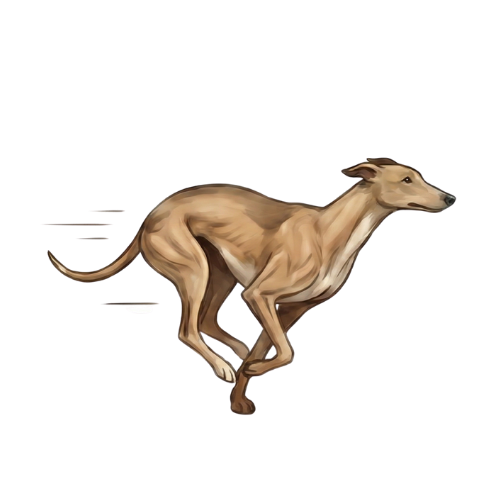
The Greyhound
Optimized for speed and oxygen delivery. Lean muscle mass, high cardiac output, and explosive energy utilization.
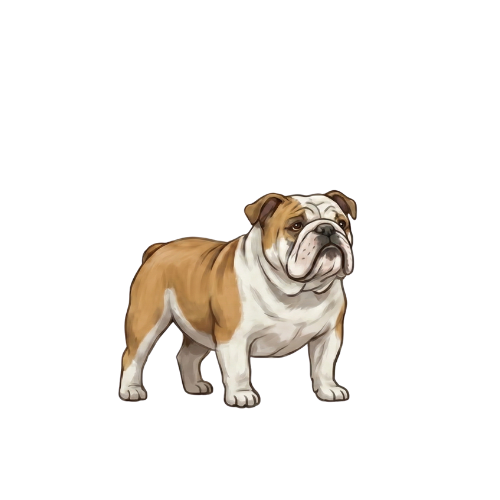
The Bulldog
Optimized for strength and structure. Compact airways, distinct thermoregulation, and a fundamentally different metabolic profile.
Same species.
Radically different biological constraints.
The Divergence
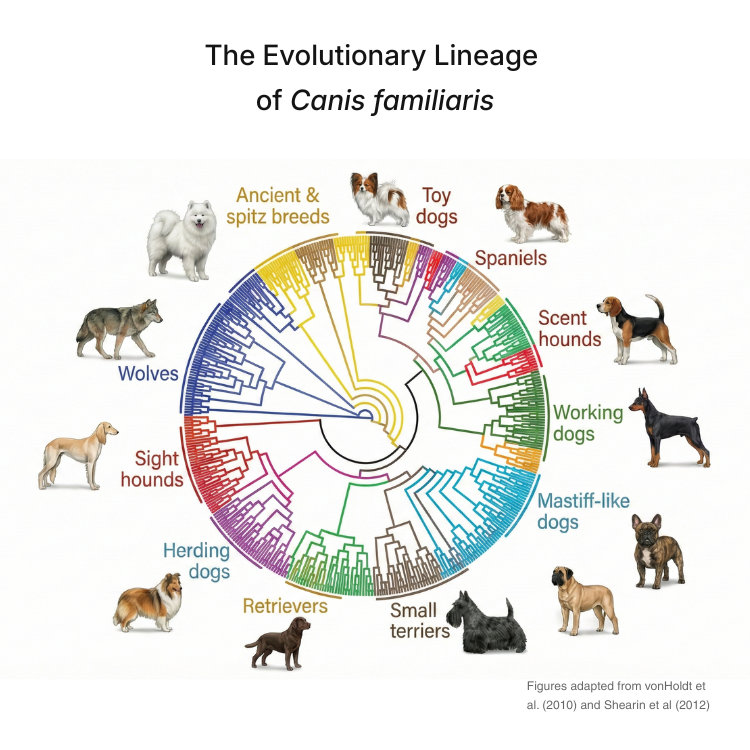
Every branch reflects a distinct lineage.
Before they were companions, dogs evolved along thousands of branching paths, shaped by geography, climate, purpose, and time.
These evolutionary paths formed the incredible diversity we see today: different bodies, different metabolisms, different behaviors, different health needs.
Every lineage, a distinct biology.
The XPET Philosophy
XPET exists to realign
care with biology.
We do not ask pets to conform to averages.
We model how their system actually behaves.
Understand
Map the inherited biological code shaped by evolution and lineage.
Optimize
Align daily nutrition, activity, and care with that biology.
Extend
Detect metabolic drift early, before disease becomes visible.
A Return to Biology
"It is time to look back to their nature
to protect their future."
Modern pet care has overlooked its most important data point: the individual organism over time.
Health does not fail suddenly.
It drifts slowly and silently...away from their biological baseline.
Own the Full Story
Your pet's health story began
thousands of years ago.
But its most important chapters are unfolding now, every day.
We are replacing the "Average Standard" with the XPET™ Standard, built on evolutionary truth and continuous insight.
Honor their history.
Protect their health.
Care that compounds.